Understand Your Gift Card — in Plain English
MyMallGiftAccess is an independent resource built for ordinary US shoppers. Here you'll learn how gift cards actually function, which protections federal law gives you, the quickest ways to check a balance, and how to spot the scams that come up most often. Nothing is for sale here, and there's no spin — only clear information.
Every Gift Card Topic, Written for Real People
Whether you want to confirm a balance in under two minutes or figure out what federal dormancy-fee rules entitle you to, every topic here is written from the shopper's point of view rather than the issuer's.
-
Checking Your Balance
How to confirm what's left on a card — store-branded or prepaid network alike — quickly, without standing in line at the checkout.
See the methods -
Redeeming at Retail
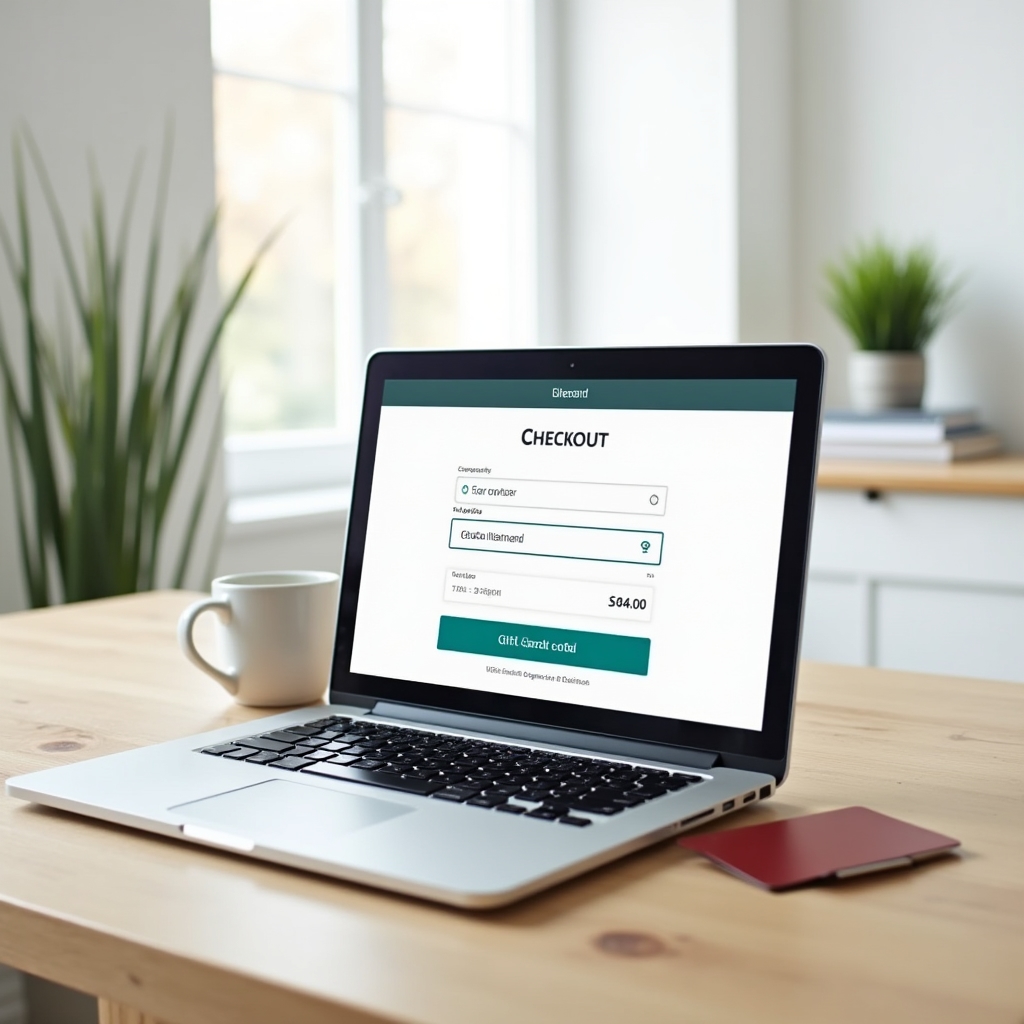
A look at what really goes on at the checkout — including the differences between split payments, magnetic-stripe cards, and barcode cards.
How it works -
Using Cards Online
Where the PIN field lives at checkout, how to cover an order with more than one payment, and what to try when a store's checkout leaves you guessing.
Online guide -
CARD Act Protections
How the 2009 federal law caps expiration dates and dormancy fees — and the ways individual states sometimes go further to protect you.
Read the law -
Lost or Stolen Cards
The information issuers usually ask for, the paperwork that strengthens your case, and how much you can realistically expect to recover.
Steps to take -
Scam Awareness
The four tactics fraudsters lean on most — impersonation calls, fake-prize offers, tampered card racks, and romance schemes.
Learn the red flags
Gift Cards in Everyday American Life




The CARD Act and Your Rights
Passed in 2009, the Credit Card Accountability Responsibility and Disclosure Act introduced specific safeguards for people who buy and use gift cards. Enforced at the federal level, these provisions cover the majority of gift cards sold across the United States.
- A card can't expire for a minimum of five years after it was bought or last reloaded.
- Inactivity fees may only begin after a card has gone 12 months in a row without use.
- No more than one such fee can be charged in any given month.
- Any fees have to be spelled out clearly on the card or its packaging before you buy.
Have a Gift Card Question?
Every message gets read. We typically reply to general questions within two to three business days.
Dormancy Fee Impact Estimator
Wondering how much a monthly dormancy fee chips away from a card over time? Try this educational estimator. It's illustrative only and doesn't represent the actual terms of any particular issuer.